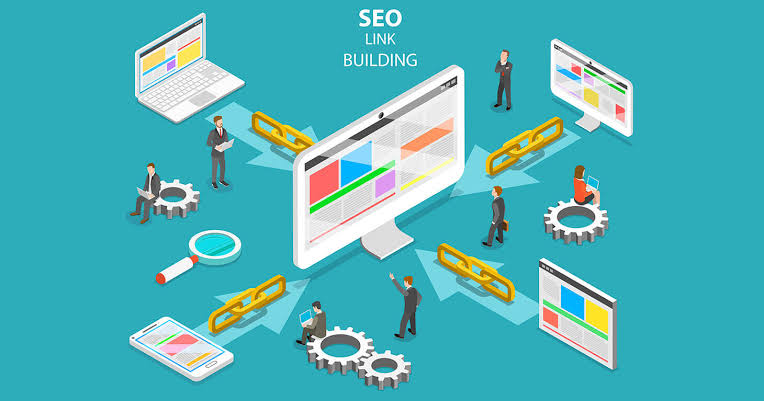
Running a gaming or technology blog takes more than publishing reviews, guides, and news. Readers need to discover those pages, and search engines need useful signals that help them understand which sites are worth showing. A thoughtful link building framework can support that discovery without turning a blog into a collection of generic outreach emails or low-value guest posts.
Links work best when they connect readers with relevant information. For a gaming site, that might mean a hardware review cited by a tournament guide, or an indie developer interview referenced by a games newsletter. The goal is not simply to collect as many backlinks as possible. It is to earn placements that make sense for both the publisher and the audience.
Start with the content worth citing
Before approaching other sites, identify what your blog can offer that another writer would genuinely want to reference. A clear comparison of gaming headsets, a documented test of laptop performance, or an original interview can all provide useful evidence and perspective. A page that answers a specific question is often easier to recommend than a broad article with no distinct takeaway.
Check that the page is accurate, easy to read, and current. Include useful details such as how a product was tested, what limitations apply, and who the advice is intended for. For time-sensitive topics—game updates, device launches, or changing platform policies—add a visible date and revisit the page when facts change. Strong content gives outreach a reason to exist.
Choose link approaches by purpose
There is no single tactic that suits every site. A useful overview of core link building types can help marketers compare approaches such as guest posting, blogger outreach, digital PR, niche edits, and editorial links. The important question is not which label sounds most attractive, but whether the method can produce a relevant placement on a credible page.
Guest posts and blogger outreach
A guest article can introduce your expertise to readers of another publication. Pitch a topic that fits the publisher’s audience rather than repackaging one of your existing posts. A gaming blog might offer a practical guide to choosing a streaming microphone, while a technology site could explain how to assess a laptop for game development. The article should stand on its own, with any link to your site providing useful context rather than serving as its only purpose.
Blogger outreach is broader: you might contact a reviewer, creator, or editor about a resource that complements something they have already published. Keep the message personal and specific. Explain what the resource adds, and make it easy for the recipient to decide whether it belongs in their work. Mass messages that ignore the recipient’s subject matter are more likely to damage trust than earn coverage.
Digital PR and editorial links
Digital PR uses newsworthy material—such as original research, expert commentary, or a distinctive data project—to attract attention from publications. For example, a blog could survey players about accessibility features or compare performance results across a carefully stated set of devices. Explain the method and limitations so that other writers can assess the findings responsibly.
Editorial links are included because an editor considers a source useful to readers. They are not something a site can demand, and they may take time to earn. That makes editorial coverage a good long-term aim, but not a reason to neglect the quality of the underlying reporting.
Evaluate relevance and placement
A link on a respected technology site may be valuable if it appears in an article about gaming hardware, but less useful if it is buried on an unrelated page. Consider the publisher’s real subject, audience, editorial standards, and publishing history. Also look at the link’s placement: a contextual reference in a relevant paragraph is easier for readers to understand than a link isolated in a crowded list.
Be cautious of offers that promise a fixed number of links quickly, especially when the sites and pages are not disclosed in advance. A placement is not automatically worthwhile because a publisher has a large audience or a high metric. Review the page itself and ask whether a reader could benefit from following the link. Avoid practices that rely on misleading claims or irrelevant anchor text.
Build a repeatable process
A small blog can keep its work manageable by setting a monthly routine. First, choose a few pages that deserve promotion. Next, list publications and creators whose readers would care about those topics. Then prepare a tailored pitch, track replies, and note which approaches led to genuine conversations. Follow up politely once if appropriate, but accept a lack of interest without sending repeated messages.
Link building can also take time away from writing, editing, and maintaining a site. A US small business VA may help with research, scheduling, or organizing outreach, provided the owner sets clear standards and reviews the work. For an overview of costs and hiring considerations, see Osdire’s guide to hiring a virtual assistant in the USA. Keep editorial decisions and final checks with someone who understands the blog’s voice and audience.
Measure usefulness, not just totals
Track the pages earning links, the quality and relevance of those placements, referral visits, and whether new readers engage with the site. A few well-matched references can be more useful than dozens of placements that send no interested visitors. Review results over time, since awareness and search visibility do not always change immediately.
For gaming and tech publishers, sustainable link building grows out of useful work and real relationships. Create resources worth citing, choose outreach methods that fit the story, and judge every opportunity from the reader’s point of view. That approach takes patience, but it gives a blog a stronger foundation than chasing links for their own sake.